
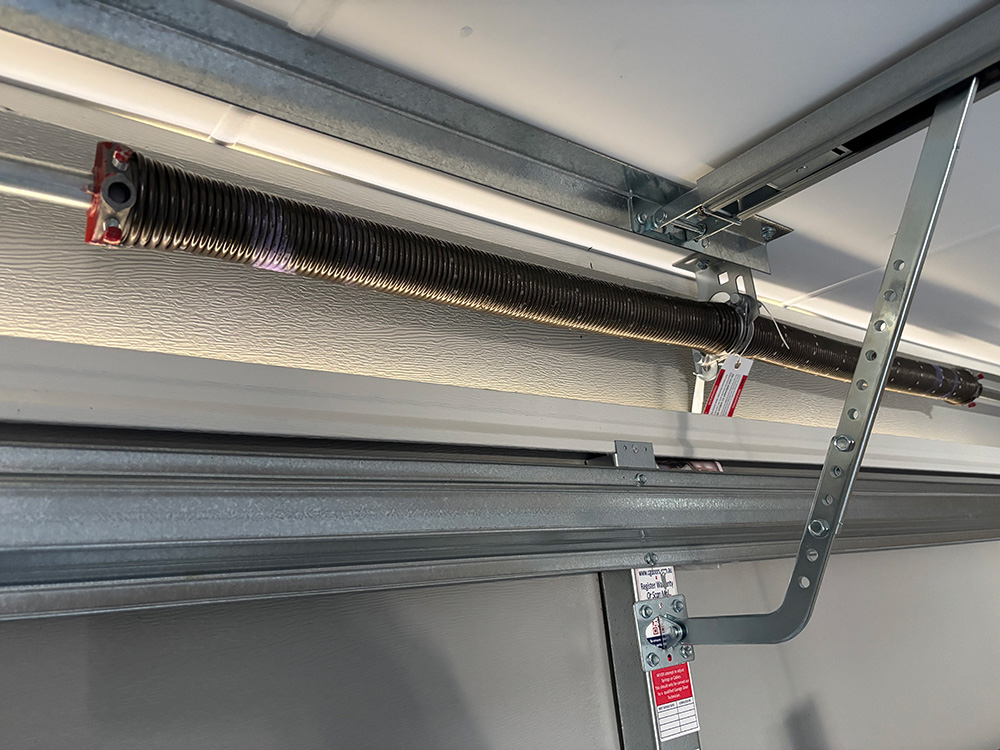
Springs and cables are the two components doing the actual work of holding your garage door up. The motor doesn’t lift the door — it just guides it. The springs carry the weight, and the cables connect that spring tension to the door itself. When either fails, the door stops being safe to operate, full stop.
Myaree Garage Door Service repairs and replaces garage door springs and cables across Myaree, Melville and the surrounding suburbs. This is the one repair on the whole site we’d ask you to take most seriously: it’s mechanical, it’s under real tension, and it’s not a job for anyone without the right training and tools. Rod is a qualified mechanical fitter with more than 25 years’ experience doing exactly this kind of work.
Why springs and cables are covered together
We used to think about these as two separate services, and quickly found we couldn’t write about them separately without repeating ourselves — because in practice, they usually fail together and get fixed together. A cable’s job is to translate spring tension into door movement, so when a spring goes, the cable is often carrying an uneven load shortly after, and vice versa. If we’re replacing one, we’re checking the other.

ROLLER DOOR MOTORS
SPRING ISSUES

AUTOMATION

WE COME TO YOU
Signs a spring or cable is about to fail:
Springs almost always give some warning before they go completely. Watch for:
- A loud bang from the garage — often mistaken for something falling, this is usually a spring letting go
- A visible gap in the coil of a torsion spring above the door
- The door opens a short distance, then stops or strains
- The door feels noticeably heavier than it used to
- One side of the door appears lower than the other, or it closes unevenly
- A cable looks frayed, kinked, or has come off its drum
If you see any of this, stop using the door and call. Continuing to run the motor against a failing spring or cable is how a $300 repair turns into a $900 one — the motor strains, gears wear out faster, and the door can come further off-balance with every cycle.
How springs actually work
Garage doors use one of two spring types.
Torsion springs sit on a bar above the door opening and twist to store energy — they’re the more common type on sectional doors.
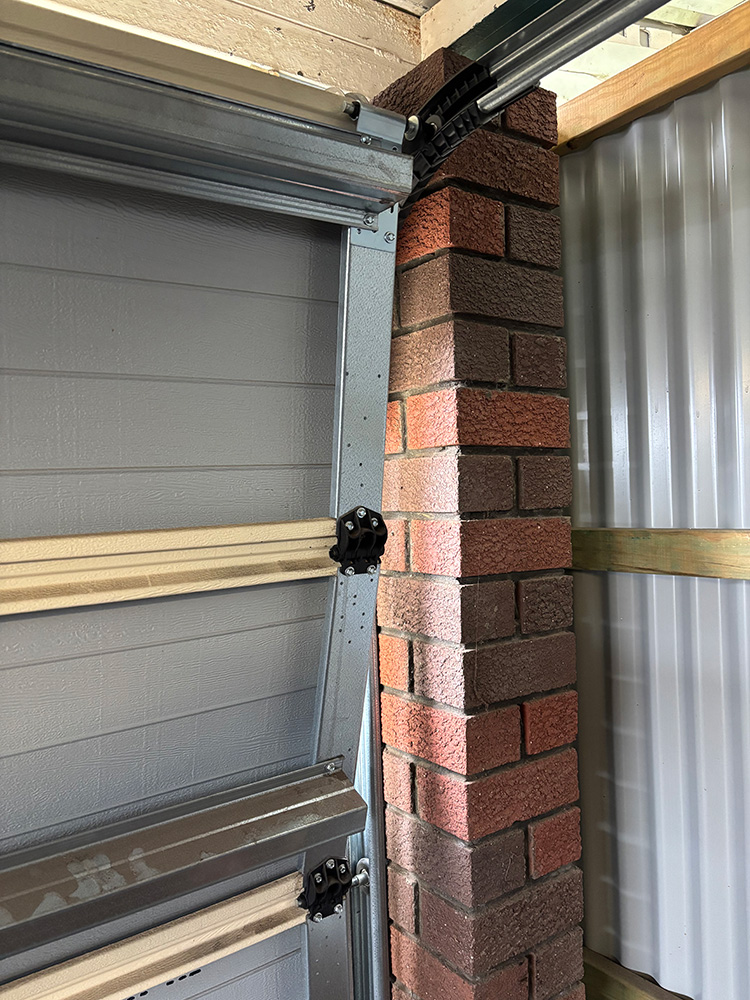
Extension springs run along the tracks at the sides and stretch and contract as the door moves, more common on older or lighter roller doors. Both do the same job: counterbalance the door’s weight so the motor only has to guide it, not lift it.
Why this isn’t a DIY job
We say this plainly because it matters: torsion springs in particular store a genuinely dangerous amount of energy, even when the door looks completely still. Attempting to adjust, remove or replace a spring without the right winding bars and training is one of the more common causes of serious tradesperson and DIY injuries in this industry — lost fingers and worse are well documented. This is the one component on your whole garage door system we’d never talk you through fixing yourself, no matter how capable you are with tools generally.
Cables carry less stored energy but are still under load whenever the door is anywhere but fully open, and a cable that lets go under tension can whip. Both jobs are for a qualified technician with the right equipment — which is the whole reason this trade exists.

Most springs have a working life of somewhere around 7 to 12 years, or roughly 10,000 open-close cycles — so a door used several times a day will wear through that faster than one used occasionally. Springs don’t fail from a single event; they fatigue gradually and then let go.
Replacing both springs together
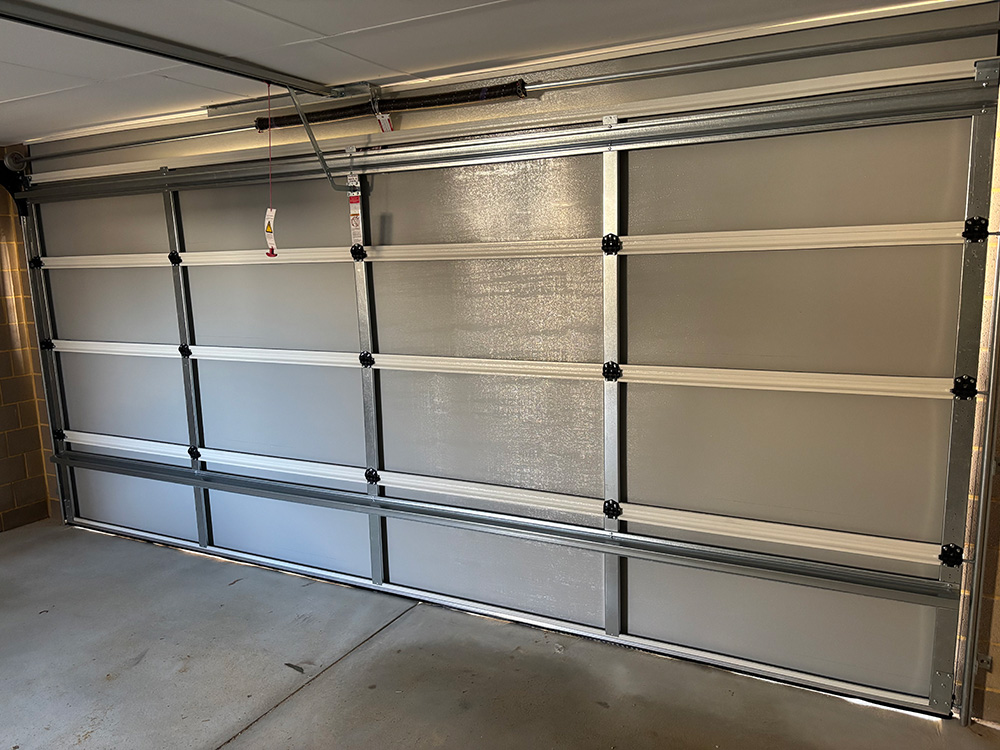
If your door has two springs of matched age and one has broken, the other is generally close to the end of its working life too — it’s been doing the same number of cycles. Where that applies, we’ll usually recommend replacing both at once rather than waiting for the second one to fail on its own schedule, which is often at a much less convenient moment. It also keeps the door properly balanced, since two springs of different ages and wear rarely match evenly.
A note for homes near the river
Several of the suburbs we cover — Attadale, Bicton, and parts of Melville — sit close to the Swan and Canning rivers, and the damp, salt-laden air corrodes exposed steel components faster than it does further inland. A rusted spring or cable can fail well short of its normal lifespan. If your door’s a few years old and you’re near the water, it’s worth having springs and cables checked at your next service rather than waiting for a failure — see our garage door servicing page.
What happens when you call
No call centres and no sales visits. When you contact us:
2. He inspects the door and quotes before starting. Torsion and extension springs, and cables, vary in cost depending on your door and how many need replacing — you’ll know the number before any work begins.
3. Most jobs are completed in one visit, with commonly needed spring and cable sizes carried on the van.
4. The door is rebalanced and tested before Rod leaves, not just re-hung and left.
Related repairs
Spring and cable failure sometimes brings other issues with it — a strained motor, a door that’s come off its tracks, or damaged rollers from running unevenly.
See our motor and remote repairs, roller door repairs and sectional door repairs pages, or the emergency repairs page if your door is currently unsafe to use.
Get it looked at
If your garage door has a broken spring or cable, or you’ve noticed any of the warning signs above, call Rod on 0417 098 385. Don’t try to move the door in the meantime.
Frequently Asked Questions
How much does spring or cable replacement cost?
It depends on the spring type, how many need replacing, and your door size. You’ll get a clear quote before any work starts.It depends on the fault — a roller replacement is a very different job to a new motor. What we can promise is a free on-site quote before any work starts, so you’ll always know the price first. Fixing faults early is nearly always cheaper than waiting.
How long does a spring or cable replacement take?
Most jobs are completed in a single visit, generally within a couple of hours including testing and rebalancing.
Can I just replace one spring if only one has broken?
Sometimes, but if the other spring is a similar age, we’ll usually recommend replacing both — it keeps the door balanced and avoids paying for a second call-out a few months later.
Is it safe to open my garage door manually if a spring has broken?
No — with a broken spring, the door’s full weight has nothing supporting it, and lifting it manually or letting the motor try is when injuries happen. Leave it closed and call us.